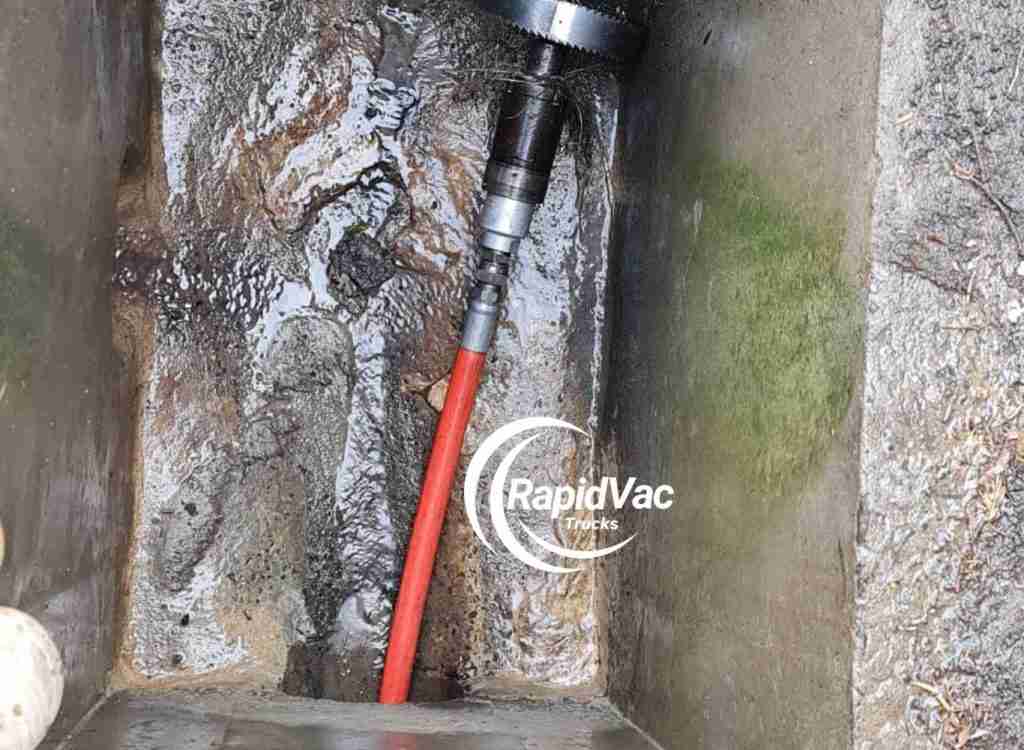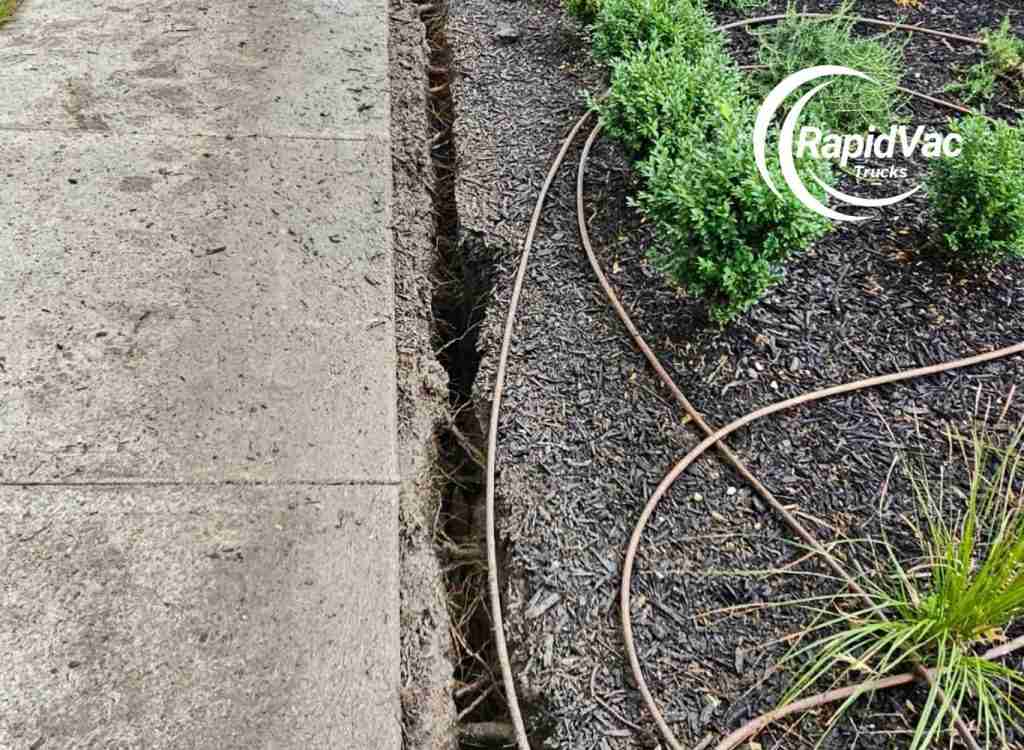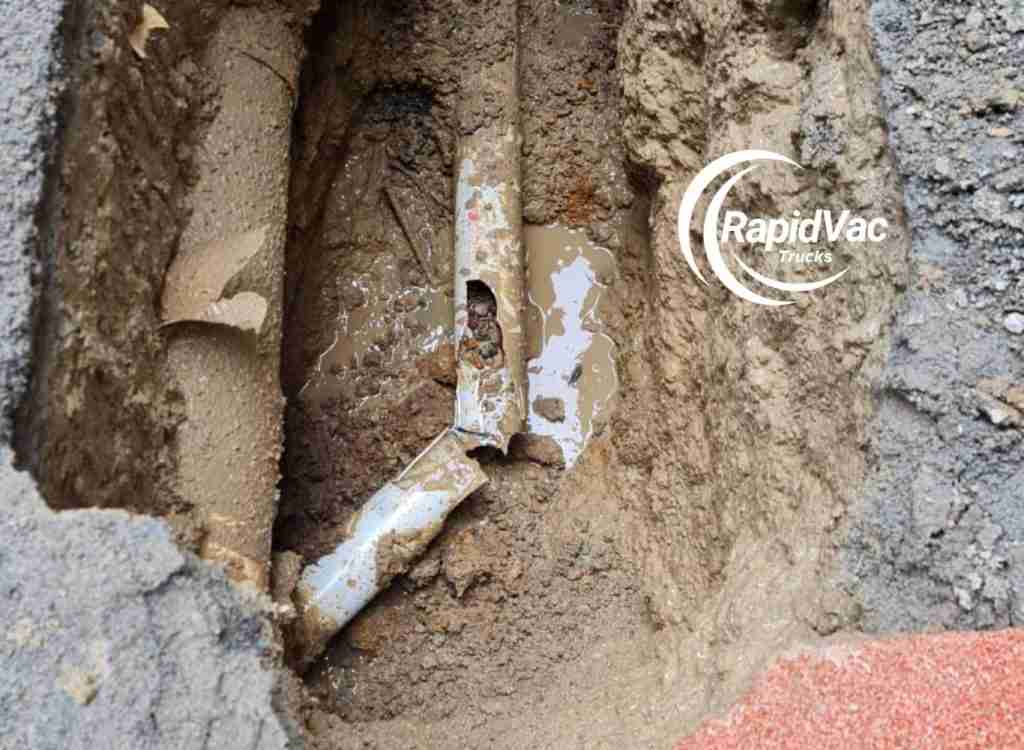
Controlled vacuum excavation for Newcastle’s underground networks, used to expose services that asset-owner plans can only roughly locate.
1. Roadworks & Pavement Upgrades
Beneath Newcastle’s major roadways lies a complex mix of aging pipes, buried cables, and undocumented assets. Vacuum excavation can provide controlled subsurface access for kerb upgrades, asphalt cutting or pavement widening, with less vibration and a lower risk of collateral damage than machine digging.
Unlike traditional trenching, vac trucks remove only the targeted material. A smaller opening can mean less reinstatement and less disruption to traffic, depending on the job.
2. NBN Installations & Telecom Trenching
Telco rollouts like NBN fibre require pinpoint trenching near live services. A single service strike can cut services to nearby properties. That’s why contractors use vac trucks to expose existing conduits before boring or trenching.
On footpaths, medians, or business districts, Rapid Vac Trucks Newcastle can help expose services with less disturbance to surrounding infrastructure.
3. Rail & Transport Infrastructure
In high-risk zones like train corridors, stations or light rail alignments, mechanical excavation is often restricted. Vacuum excavation is a low-impact way to expose signalling cables, drainage lines or conduits, subject to the rail asset owner's requirements for the site.
Whether it suits a particular rail or transport job depends on the asset owner’s access conditions and the services involved.
4. Sewer and Water Main Upgrades
Many older suburbs still operate on legacy systems, such as clay pipes, asbestos water mains, or corroded sewer lines. Traditional digging risks cracks or contamination. Vac trucks allow more controlled exposure before cutting or re-routing fragile assets, though old pipes still need careful handling with any method.
It can also help in saturated ground, where the same suction can double as dewatering.
5. Urban Infill and High-Density Builds
Newcastle's densification brings a web of services below compact sites. Before excavation for piers, basements or services begins, vacuum excavation can expose services so their positions and depths are confirmed, which lowers the risk of strikes.
Builders use vac trucks to reduce the risk of delays, utility clashes and unexpected infrastructure exposure.
Why Civil Contractors Rely on Vacuum Excavation
Near buried services, vacuum systems give more control than a mechanical excavator. On civil projects under time pressure or regulatory oversight, that controlled access lowers the risk to underground networks.
Whether it's public infrastructure or private redevelopment, vacuum excavation is worth considering wherever work runs close to buried services.
Scoping Vacuum Excavation on a Civil Project
On civil jobs, vacuum excavation works alongside service information, not in place of it. Before You Dig Australia’s guide to utility plans explains that asset owners supply plans and safety information, that plans are a guide to an asset’s presence rather than its precise location, and that an enquiry should be refreshed when the scope of work changes.
Safe Work Australia’s model Code of Practice for excavation work provides national guidance on managing excavation risks. Its legal effect depends on the jurisdiction, so confirm how it applies on your project with SafeWork NSW.
Details to Send With a Civil Enquiry
- Asset-owner plans, instructions and any site-specific conditions you have received
- The number and location of potholes, or the trench length and approximate depth
- Surface types, such as asphalt, concrete, kerb or verge
- Traffic, rail or access conditions set by the asset owner or principal contractor
- How spoil and slurry are expected to be handled
On that last point, NSW EPA guidance on transporting waste treats excavated material as waste that must go to a facility able to lawfully accept it, so settle where it will be taken as part of the quote.