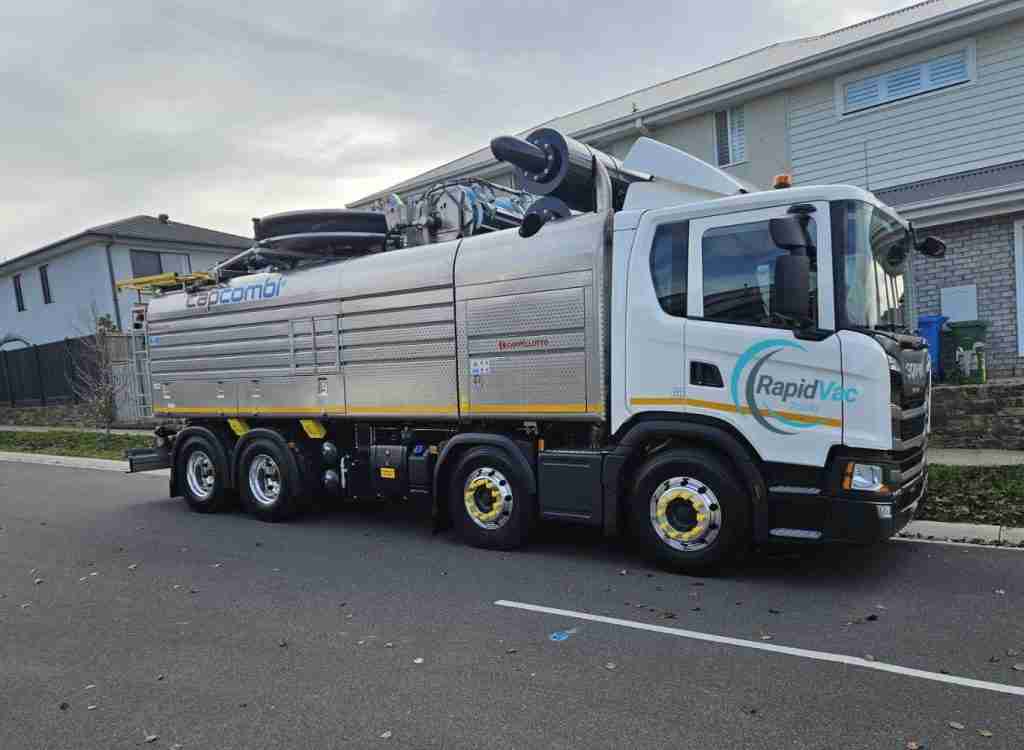
Flooded pits. Blocked culverts. Overflowing drains. Whether you manage public or private infrastructure, vac trucks can help keep Newcastle's stormwater systems clear.
1. Stormwater Pit Cleaning for Councils, Facilities & Strata
Stormwater pits can fill with leaves, sediment and debris, especially during heavy rain. Left unchecked, they can contribute to surface flooding, erosion and property damage.
Our vacuum truck pit cleaning service can suit:
- Local council drainage networks
- Strata complexes and apartment blocks
- Commercial sites and car parks
The material removed is typically stormwater sediment and debris, and how it's disposed of depends on its classification. Regular cleaning can also support any maintenance conditions that apply to your site.
2. Drain & Culvert Cleaning to Reduce Flood Risk
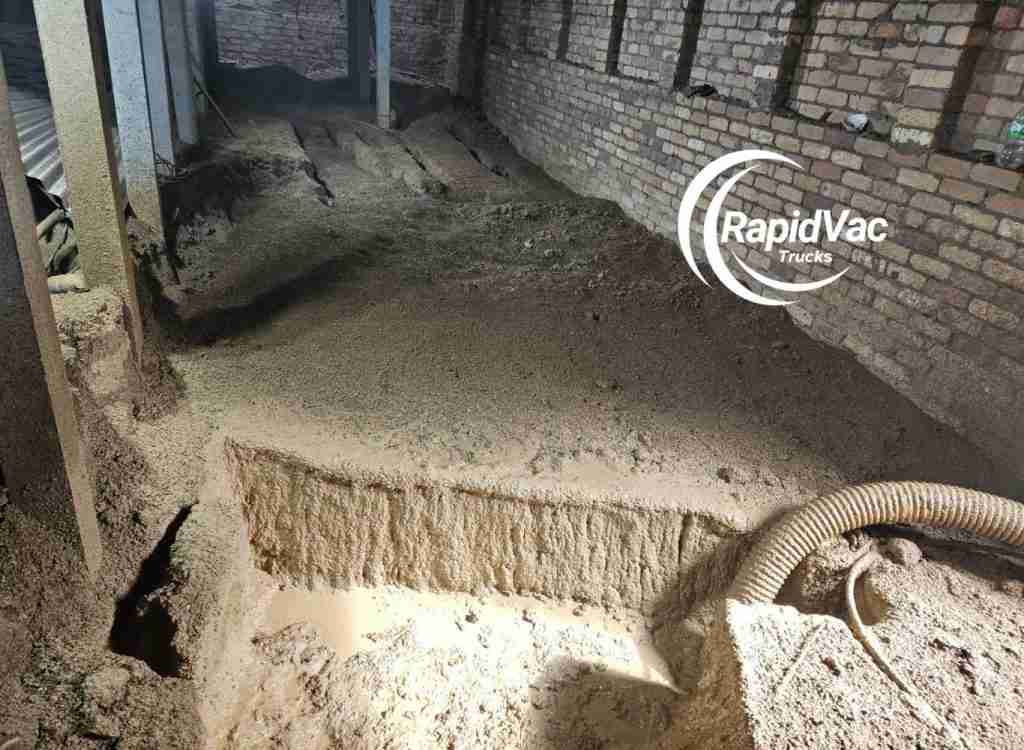
Blocked drains and culverts can contribute to localised flooding. Vac trucks can clear silt, leaf litter and standing water to improve flow without excavating the drain.
Drain and culvert cleaning can support:
- Council maintenance teams
- Schools, hospitals, and aged care facilities
- Contractors delivering flood mitigation projects
3. Non-Destructive Excavation Around Sensitive Infrastructure
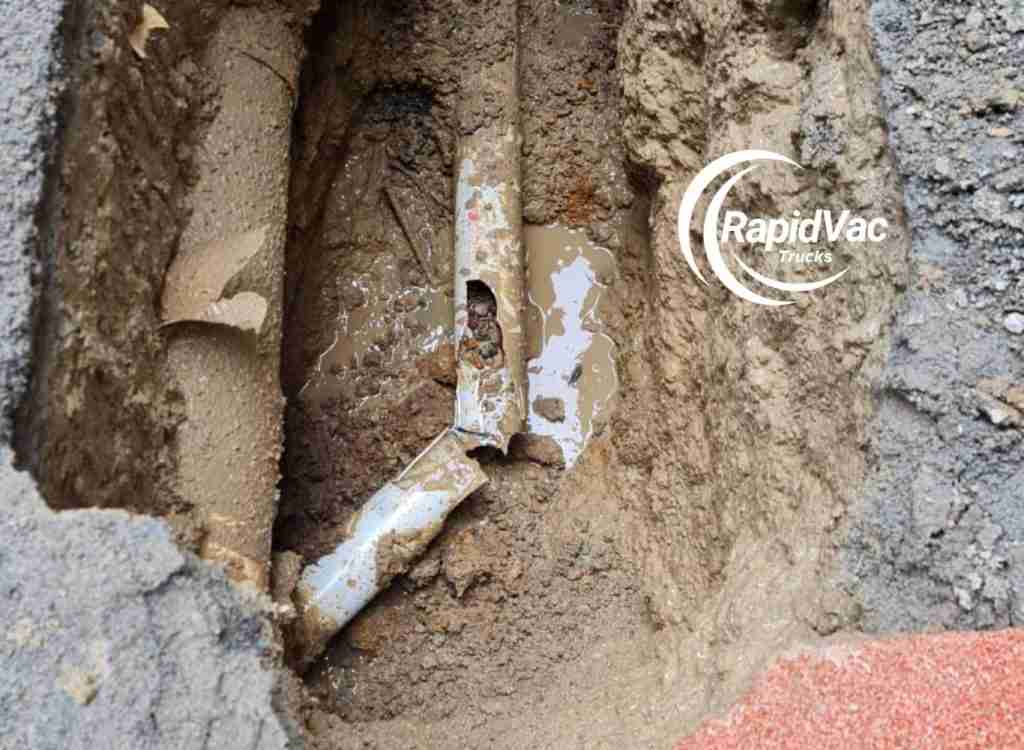
Non-destructive digging (NDD) can expose pipes, roots and utility assets with more control near sensitive areas like:
- Parks and tree-lined footpaths
- Plazas and landscaped streetscapes
- Shared utility corridors or irrigation zones
Controlled digging can reduce disturbance to trees, turf and nearby infrastructure during lighting, plumbing or stormwater upgrades near high-traffic zones.
4. Emergency Overflow Response and Wet Waste Removal
Vac trucks can help clear:
- Stormwater pit overflow after storms
- Non-hazardous runoff and greywater spills
- Flooded loading docks or car parks
Jobs here usually involve sediment-heavy stormwater and environmental runoff. If the material may include sewage or other contamination, say so when you enquire so it can be assessed.
Who Might Need These Services?
This kind of maintenance can be relevant to:
- Councils and public asset owners
- Retail precincts and industrial estates
- Construction firms and civil contractors
- Universities, schools, and aged care facilities
Ask what documentation you'll receive and how the material will be disposed of, so the job fits your site's records.
Planning a Pit or Drain Clean-Out
A clean-out is easier to plan when the site, the material and the paperwork are sorted before the truck arrives. These points are worth covering when you enquire:
- What is in the pit: leaf litter, silt and sediment, plus any oil, fuel, sewage or unusual odour.
- Access and traffic: where the truck can park, whether lids or grates are hard to lift, and whether pedestrians or vehicles need to be managed.
- Who owns the asset: for pits and drains on public land, check who is responsible and whether permission is needed before work starts.
- Records: ask what documentation you will receive and where the material will be taken.
NSW EPA guidance on transporting waste explains that waste needs to be identified and classified, that the receiving facility must be able to lawfully accept it, and that facility records should be kept. Requirements depend on the material, so the details you share at the enquiry stage matter.
A clean-out removes what has built up. If a drain keeps blocking, ask whether an inspection would help find the cause before the next clean.