Got a flooded trench or water pooling on-site? Before you reach for the pump, here’s why a vac truck dewatering solution might suit your Newcastle worksite better than a pump, especially where sediment or tight access is involved.
What Is Dewatering?
Dewatering is the removal of unwanted water from an excavation zone, often required before:
- Concrete pours
- Plumbing or stormwater inspections
- Utility trenching
- Drainage installation
- Soil stabilisation or remediation
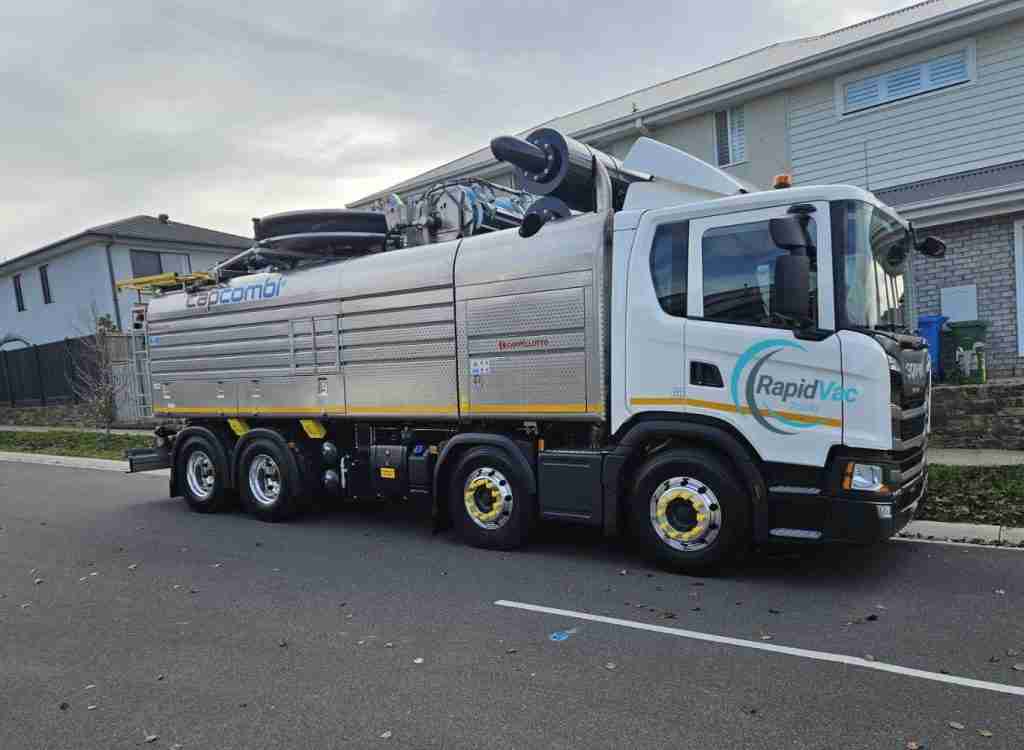
In the right conditions, vacuum trucks can remove water and loose sediment in the same operation, which may suit silty, debris-filled or tight-access sites. That’s why dewatering sits within our liquid waste removal service.
When Should You Use a Vac Truck for Dewatering?
A vac truck may suit the job better than a pump in situations such as:
- Urban or tight-access sites where drainage is poor
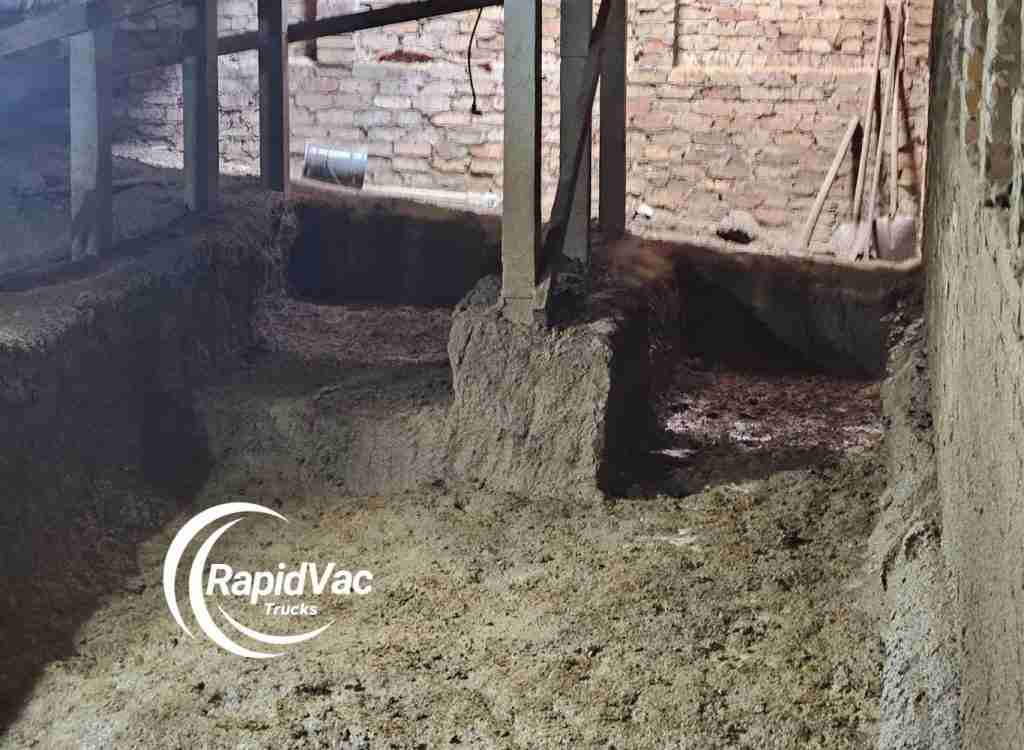
- Shallow trenches filled with spoil, clay or water that may need classifying before disposal
- Post-storm work zones where water and debris need clearing before work resumes
- Stormwater pit cleanouts with debris and liquid together
We assist with residential builds, civil infrastructure, and facility maintenance, and you can ask how site controls and disposal will be handled before the job is booked. Learn more on our About Us page.
Examples of Dewatering Jobs
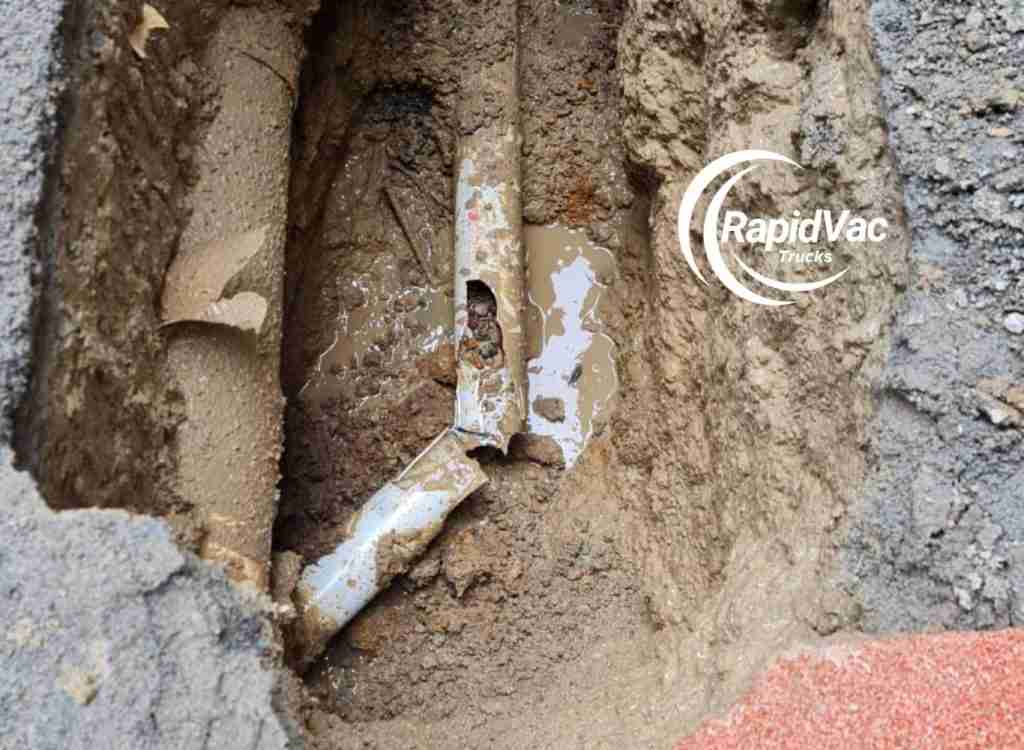
- Waterlogged trenches on plumbing or electrical jobs
- Soakwells full of wet clay at residential sites
- Underground pits needing clean-out before a slab pour
- Floodwater removal from commercial carparks
- Site audit preparation where water clearance is time-critical
Vac Truck vs. Pump: What’s the Difference?
| Pumping | Vac Truck |
|---|---|
| Suited to water; settled sediment may need separate removal | Can lift water and loose solids together |
| Setup and power depend on the pump and discharge point | Needs a parking spot within hose reach of the work |
| Placement depends on where the pump and lines can go | Hose can reach some confined areas, checked site by site |
| Debris can block some pump intakes | Mixed material is drawn into the truck’s tank |
Setup depends on the truck, the hose run and the site, so mention access when you enquire. Dewatering can also form part of our vacuum excavation workflows.
Who May Need Dewatering Services?
- Civil and infrastructure contractors
- Plumbers and stormwater contractors
- Builders and concreters
- Strata, property, and facility managers
- Landscapers, pool installers, and site prep teams
Need water removed from a trench or pit? Contact our Newcastle vac truck team for availability.
What to Check Before Booking a Vac Truck for Dewatering
A few site details decide whether a vac truck, a pump or a mix of both suits the job. Having them ready also helps the quote reflect the real work.
- Is water still coming in? A one-off pool of rain or runoff is a different job from a trench that keeps refilling from seepage.
- What is in the water? Clear rainwater, silt, clay, slurry and anything that may be contaminated are handled differently.
- Roughly how much is there? An estimate of the trench or pit size and the water depth helps with planning.
- Where can the truck park? Note the distance from the nearest parking spot to the trench or pit, and any gates, slopes or overhead obstructions.
Where the water goes afterwards matters too. NSW EPA guidance on transporting waste includes excavated and contaminated material as waste and explains that it must go to a place that can lawfully accept it. Ask how the removed water and sediment will be handled and where they will be taken.
If the trench sits near buried services, the Before You Dig Australia guide to utility plans explains that plans show where assets are likely to be rather than their exact position, so share any plans and asset-owner information you have.